
Lung Cancer Treatment in Hyderabad
Lung cancer is one of the most commonly diagnosed cancers globally, with millions of new cases each year. In India, lung cancer is among the top cancers affecting both men and women, with smoking being the primary risk factor. However, advancements in early diagnosis, through imaging and screening, have led to better outcomes. Treatment options for lung cancer have evolved significantly, and today, patients have access to chemotherapy, immunotherapy, targeted therapies, and surgery, depending on the cancer stage and overall health.
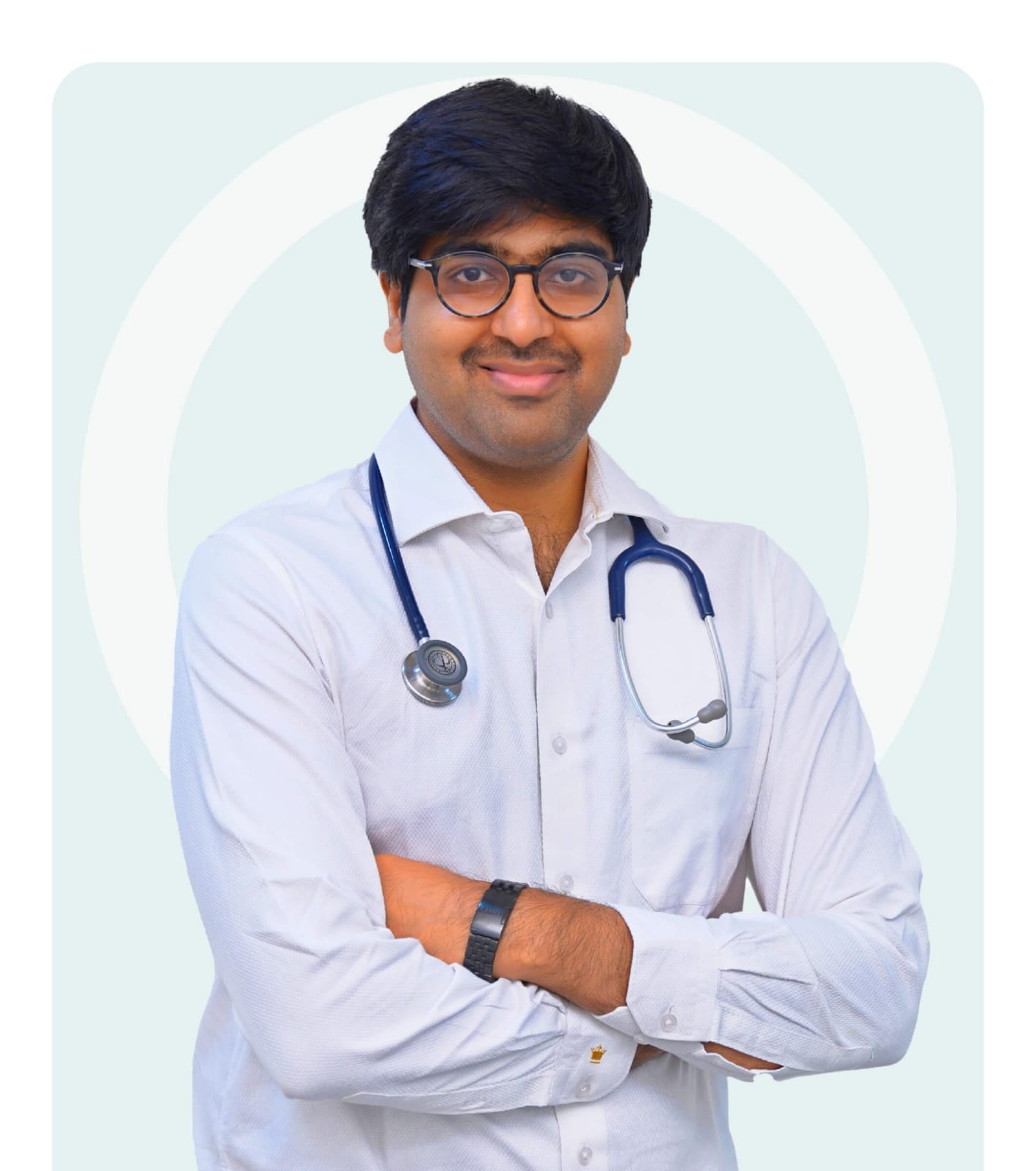
Dr. Udaykumar Punukollu, an eminent medical oncologist in Hyderabad, highlights, “Lung cancer treatment is most effective when it is tailored to the individual, incorporating the latest therapeutic advancements and considering the patient’s overall health and specific needs.”
With over 12 years of experience in oncology, Dr. Punukollu is known for his expertise in lung cancer treatment in Hyderabad. He combines the latest advances in chemotherapy and immunotherapy for lung cancer to create personalized treatment plans. Whether treating early- or advanced-stage lung cancer, Dr. Udaykumar Punukollu ensures his patients receive the best care at every stage of their treatment journey.
Signs and Symptoms of Lung Cancer

Types of Lung Cancer Treated by Dr. Udaykumar Punukollu
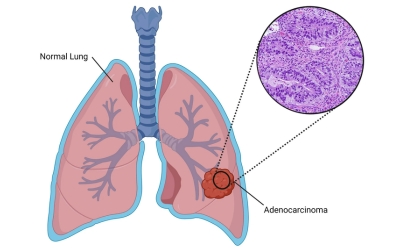
Molecular Positive Adenocarcinoma
Molecular positive adenocarcinoma is characterized by specific genetic mutations, making it a candidate for targeted therapies. These therapies focus on inhibiting the abnormal proteins driving cancer growth, providing more personalized treatment options.
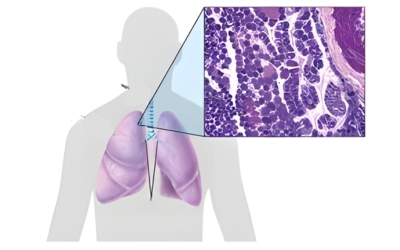
Molecular Negative Adenocarcinoma
Molecular negative adenocarcinoma lacks specific mutations, and treatment typically involves immunotherapy and chemotherapy. Immunotherapy works by stimulating the body’s immune system to recognize and fight cancer cells, while chemotherapy targets and kills fast-growing cancer cells.
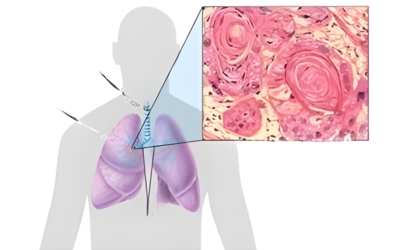
Squamous Cell Carcinoma
Squamous cell carcinoma of the lung originates in the flat cells lining the lungs and is often linked to smoking. It is treated with a combination of surgery, radiation, immunotherapy and chemotherapy depending on the stage and spread of the cancer.
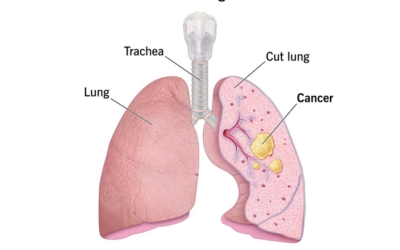
Small Cell Carcinoma
Small cell carcinoma is a highly aggressive form of lung cancer that often spreads quickly. It is typically treated with chemotherapy and radiation therapy, and in some cases, immunotherapy may be used for better outcomes.
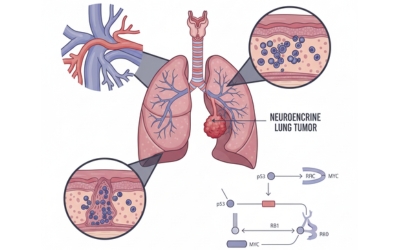
Neuroendocrine Carcinoma of the Lung
Neuroendocrine carcinoma is a rare type of lung cancer that can produce hormone-like substances. Treatment may involve surgery, chemotherapy, targeted therapy, and occasionally immunotherapy, depending on the cancer’s stage and spread.
Dr. Udaykumar’s Approach to Lung Cancer Treatment in Hyderabad

Accurate Diagnosis
Dr. Punukollu starts with a thorough checkup including imaging studies such as CT or PET scan, and a biopsy in order to determine the nature and stage of the malignancy.

Staging
Knowing whether the cancer is localized or metastatic helps create a treatment plan based on the therapy most likely to be effective.

Chemotherapy
Often, chemotherapy can be the mainstay in the treatment of patients with lung cancer. Based on the stage and response to other therapies, Dr. Punukollu personalizes chemotherapy treatment for their patients. His skill in chemotherapy treatment for patients with lung cancer ensures that patients achieve the best results with drug combinations.

Targeted Therapy
For certain cancers with specific gene mutations, Dr. Punukollu uses targeted therapies that inhibit cancer cell proliferation. This minimizes damage to healthy cells, leading to fewer side effects.

Immunotherapy
In cases of advanced lung cancer, Dr. Punukollu uses immunotherapy, a treatment that helps the immune system recognize and attack cancer cells. So far, promising results have been reported for a few cancers, especially those resistant to conventional treatments.

Collaborative Treatment Approach
Dr. Punukollu works closely with radiologists, pulmonologists, pathologists, and surgeons to ensure accurate diagnosis and well-coordinated lung cancer care tailored to each patient.

Tumor Board Discussions:
For complex cases, Dr. Punukollu participates in multidisciplinary tumor board meetings, where specialists from other disciplines discuss a management plan to ensure every aspect of the patient's treatment is well coordinated.

Non-Surgical Cancer Care
For advanced-stage lung cancer, which may not be operable, Dr. Punukollu emphasizes aggressive chemotherapy and immunotherapy to slow the growth and development of the cancer, improve the patient's quality of life, and reduce symptoms.

Palliative Care
Dr. Punukollu also focuses on palliative care, addressing symptoms such as pain, shortness of breath, and fatigue, helping patients manage side effects and improve overall comfort.

Close Monitoring and Adjustments
Throughout treatment, Dr. Punukollu ensures regular monitoring with imaging studies and blood work to assess treatment efficacy and determine whether adjustments are needed.

Follow-Up Care
After treatment, Dr. Punukollu believes in follow-up treatment in order to check for signs of recurrence and make sure the patient remains in good health.

Lifestyle & Supportive Care:
Dr. Punukollu advises patients on how to modify their lifestyle to maintain their health during and after treatment. Counseling, nutritional, and physical rehabilitation programs are often part of treatment programs offered by this medical professional.
Here’s what makes Dr. Punukollu one of the best lung cancer doctors in Hyderabad.
Why Choose Dr. Udaykumar Punukollu for Lung Cancer Treatment in Hyderabad?

Extensive Experience
Specialized Expertise in Lung Cancer

Patient-Centered Care

Cutting-Edge Treatment Options

Comprehensive Support

Recognition and Global Affiliations
Post-Treatment Care and Recovery
1. Ongoing Monitoring
Regular follow-ups to track recovery and monitor for any recurrence.

2. Pulmonary Rehabilitation
Programs to improve lung function and stamina, especially after surgery.
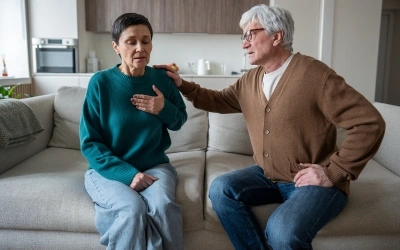
3. Symptom Management
Managing side effects like fatigue, pain, and breathing issues for a better quality of life.
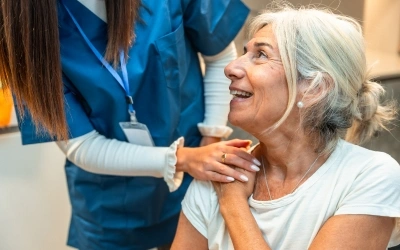
4. Emotional Support
Counseling and support groups to assist patients in dealing with the emotional aspects of recovery.

5. Dietary Advice
Advice on diet and supplements for recovery and maintaining good health.

6. Lifestyle Recommendations
Personalized lifestyle changes, including exercise and smoking cessation, to support long-term recovery.
1. Ongoing Monitoring
Regular follow-ups to track recovery and monitor for any recurrence.
2. Pulmonary Rehabilitation
Programs to improve lung function and stamina, especially after surgery.
3. Symptom Management
Managing side effects like fatigue, pain, and breathing issues for a better quality of life.
4. Emotional Support
Counseling and support groups to assist patients in dealing with the emotional aspects of recovery.
5. Dietary Advice
Advice on diet and supplements for recovery and maintaining good health.
6. Lifestyle Recommendations
Personalized lifestyle changes, including exercise and smoking cessation, to support long-term recovery.
Frequently Asked Questions
1. What are the first signs of lung cancer?
2. What is the survival rate for lung cancer patients?
3. Can lung cancer be cured?
4. How does Dr. Udaykumar treat advanced-stage lung cancer?
5. What is the role of immunotherapy in lung cancer treatment?
6. How do I know which treatment is right for me?
7. Can I still receive treatment if my lung cancer has spread?
8. How long does it take to recover after lung cancer surgery?
9. Is lung cancer treatment covered by insurance?
10. How can I reduce my risk of developing lung cancer?
11. What are the side effects of chemotherapy for lung cancer?
Disclaimer: The information shared in this content is for educational purposes and not for promotional use.