
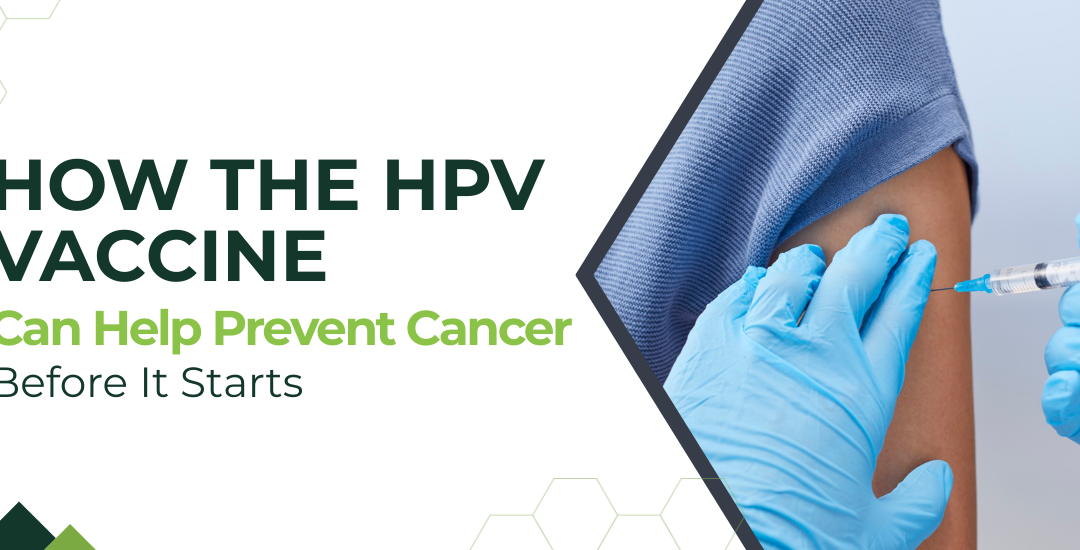
Cancer is a leading health challenge worldwide, with millions of new diagnoses every year. In India, the incidence of cancer is rising steadily, with various types affecting both men and women. Among the most preventable cancers are those caused by the human papillomavirus (HPV), a common virus linked to several cancers, including cervical, anal, and throat cancer. Fortunately, the HPV vaccine has emerged as a powerful tool to protect individuals from these HPV-related cancers before they start.
Dr. Udaykumar Punukollu, a distinguished medical oncologist in Hyderabad, notes,
“Vaccination is a proactive step to reduce the risk of cancers linked to HPV, and it has proven to be one of the most effective methods of prevention.”
With over a decade of expertise in cancer care, Dr. Udaykumar specializes in immunotherapy, chemotherapy, and preventive oncology. He is also dedicated to guiding patients on effective preventive strategies, like the HPV vaccine for cancer prevention. His comprehensive approach ensures that patients not only receive treatment but are also equipped with the knowledge to prevent cancer whenever possible.
First, let’s explore how the HPV vaccine offers protection against specific cancers.
What is the HPV Vaccine and How Does it Work?

The HPV vaccine targets the human papillomavirus (HPV), which is responsible for many types of cancer, particularly cervical cancer. The vaccine works by stimulating the immune system to produce antibodies that fight the virus.
By preventing infection with high-risk HPV strains, the vaccine significantly reduces the risk of developing HPV-related cancers. It is most effective when administered before any exposure to the virus, typically during adolescence.
Wondering which cancers the HPV vaccine helps prevent? Let’s take a closer look at the types of cancer it targets.
Types of Cancer Prevented by the HPV Vaccine

The HPV vaccine is most commonly associated with preventing cervical cancer, but it also protects from several other cancers caused by HPV, such as:
Cervical Cancer: This vaccine helps to prevent infections from which the majority of cervical cancers result.
Anal Cancer: A high percentage of anal cancer has its origin in HPV.
Throat Cancer: HPV is a major cause of oropharyngeal cancers, affecting the throat and tonsils.
Vulvar and Vaginal Cancer: The vaccine also reduces the risk of vulvar and vaginal cancers linked to HPV.
Penile Cancer: HPV infection is a risk factor for penile cancer in men.
Reduce your risk of multiple cancers. Connect with an expert to learn more about how the HPV vaccine can protect you.
Who benefits most from the HPV vaccine? Let’s discuss who should consider getting vaccinated.
Who Should Get the HPV Vaccine?

Preteens (9-14 years):
It has to be given ahead of any other exposures to the virus to be highly effective. It is given in two doses six months apart.
Teens (15-20 years):
This category of people who have not been vaccinated before can also benefit from the vaccine. This category of people needs three doses.
Adults (27-45 years):
The vaccine could also benefit those who were never previously vaccinated, especially if at greater risk of developing HPV-related cancers.
Boys and Girls:
It is imperative for both sexes to get immunized in order to decrease the chances of various types of cancer, such as throat cancer, anal cancer, as well as penile cancer.
Those at High Risk:
People with weakened immune systems, such as those living with HIV, should consider the vaccine to lower their risk of HPV-related cancers.
What is the best time to get HPV vaccine? Let’s explore the ideal vaccination window.
When Should You Get the HPV Vaccine?
Ideal Age for Vaccination (9-14 years):
The best time to get HPV vaccine is when there has been no previous exposure to the virus. At this stage in their life, only two doses of the HPV vaccine are required to be given six months apart.
Teenagers (15-20 years):
Vaccination is still beneficial for this age group if they haven’t received it earlier. Three doses are recommended to ensure full protection.
Adults (21-45 years):
Although less effective than in younger individuals, the vaccine can still offer protection. Adults in this age range may benefit, especially if they are at higher risk of HPV-related cancers.
Before Sexual Activity:
The effectiveness of this vaccine is greater when given prior to sexual contact because this is when people are most susceptible to acquiring this infection.
How can the HPV vaccine benefit you? Let’s look at the key advantages.
Benefits of the HPV Vaccine

The HPV vaccine offers several key benefits:
Prevents HPV-related cancers:
The vaccine works by blocking the virus and safeguards one against contracting various malignancies like cervical, anal, and throat cancers.
Reduces healthcare costs:
In many cases, prevention also turns out to be more economical compared to the costly procedures of managing cancer. The vaccine helps reduce the burden of cancer treatments.
Long-term protection:
The vaccine has long-term effects that protect not only the individual but also reduce the incidence of HPV-related cancers in future generations.
Invest in your health today. Talk to your healthcare provider to discover the long-term benefits of the HPV vaccine.
Conclusion
The HPV vaccine for cancer prevention is a proactive step toward protecting yourself from HPV-related cancers. Dr. Udaykumar Punukollu encourages everyone, especially young people, to get vaccinated early for lasting protection.
FAQs
1. How many doses of the HPV vaccine do I need?
For individuals aged 9-14, two doses are typically recommended, spaced six months apart. For those 15 and older, three doses are needed.
2. What are the side effects of the HPV vaccine?
The HPV vaccine is safe with mild side effects, including soreness at the injection site, fever, or headache. Serious side effects are rare.
3. Where can I get the HPV vaccine?
The HPV vaccine is available at healthcare clinics, pediatricians’ offices, and community health centers.
4. How long does the HPV vaccine protect against cancer?
The vaccine provides long-term protection, lasting at least 10 years, and likely much longer, based on current data.
5. Can men get the HPV vaccine?
Yes, the HPV vaccine is recommended for males to protect against cancers like penile and anal cancer.
6. Can I prevent cervical cancer with HPV vaccine?
Yes, the HPV vaccine effectively prevents cervical cancer by protecting against the HPV strains
Reference links:
https://my.clevelandclinic.org/health/treatments/21613-hpv-vaccine
https://www.mayoclinic.org/diseases-conditions/hpv-infection/in-depth/hpv-vaccine/art-20047292
Disclaimer: The information shared in this content is for educational purposes and not for promotional use.